top of page

A Better Estate Sale Experience


Inheriting a Home and Its Contents
What to Do After Inheriting a Property Full of Stuff
Inheriting a home often means inheriting everything inside it as well. Furniture, photographs, clothing, collections, tools, household goods and years of personal belongings.
Even when the future of the property has been decided, determining what to do with its contents can be a separate undertaking. Family members may want certain pieces, important documents may still be inside and valuable items may be mixed among ordinary household belongings.
Before you begin clearing rooms or arranging donations, take time to understand what is in the home and establish a process for handling it. A few careful decisions at the beginning can protect meaningful belongings, prevent family misunderstandings and preserve the possibility of a successful estate sale.

Confirm Who Can Make Decisions
Before belongings are sold, donated or distributed, determine who has the authority to make those decisions.
That person may be a successor trustee, a court-appointed personal representative, a surviving owner or another individual legally authorized to handle the property.
Being a family member or beneficiary does not always provide immediate authority to sell or distribute the contents. If ownership or authority is unclear, review the trust, will or other estate documents and consult the attorney assisting with the estate.
Once the authorized person has been identified, designate that person as the primary point of contact. This creates a clear decision-making process and helps avoid conflicting instructions from different family members.
Do Not Begin by Emptying the Home
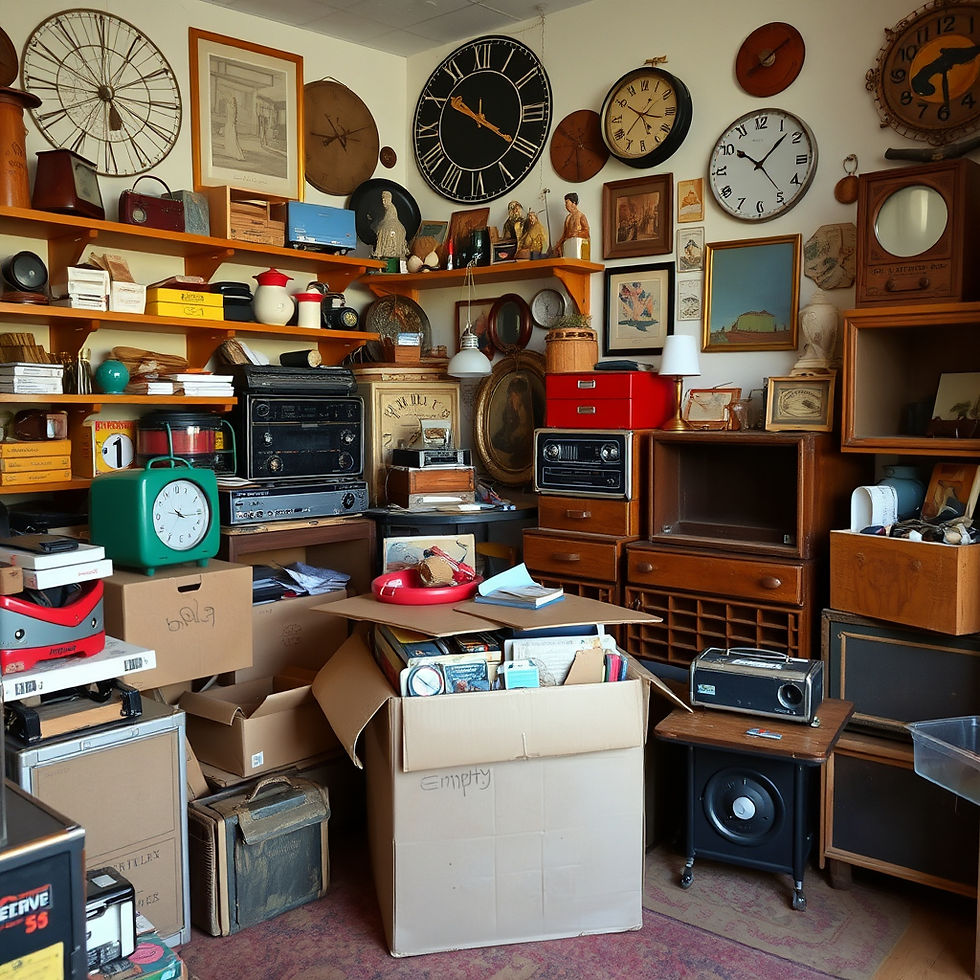
A common mistake is assuming that the house must be cleaned out before an estate-sale company can evaluate it. In reality, the contents are what make an estate sale possible.
An estate sale is not limited to antiques or expensive collections. Buyers may be interested in:
Furniture and home décor
Jewelry and accessories
Artwork and collectibles
Kitchenware and small appliances
Tools and garage items
Electronics
Books and records
Linens and clothing
Outdoor furniture
Holiday decorations
Useful everyday household goods
Individually, many of these items may not appear especially valuable. Together, they create the variety and volume that attract buyers and support a successful sale.
Before throwing things away, arranging donations or selling the most desirable items separately, allow us to see the home as a whole.
Document the Contents Before Items Are Removed

Create a photographic or video walkthrough of the home before family selections, donations or sales begin.
Record each room, closet, cabinet, garage and storage area. Photograph significant furniture, artwork, jewelry, collections, tools and other items that may later raise questions.
This does not need to be a detailed inventory of every household object. Its purpose is to establish what was present and provide a reference if a beneficiary later asks about a particular item.
Keep the photographs and videos with the estate or trust records.
Secure Important Documents and Personal Property
Some belongings should be located and removed before estate-sale preparation begins.
Look for:
Trust and estate documents
Financial and tax records
Personal identification
Insurance policies
Property deeds and vehicle titles
Safe-deposit-box information
Keys and garage-door remotes
Prescription medications
Family photographs and letters
Digital devices containing personal information
Firearms or other regulated property
Jewelry, currency and other easily misplaced valuables
Leased, borrowed or jointly owned property
Do not discard old paperwork indiscriminately. Documents that appear outdated may still be needed to identify assets, prepare tax returns, close accounts or establish ownership.
Store sensitive documents and valuables securely while the rest of the home is being addressed.
Identify Specific Gifts
and Family Selections
Review the trust, will and other estate documents for belongings specifically left to named individuals. Those items should be identified and separated before anything is included in an estate sale.
If family members are permitted to select personal property, create a clear process and keep a written record of what each person receives.
For relatives who live out of state, organized photographs or a scheduled video walkthrough may help with selections. Ask each person to identify specific belongings and establish a reasonable deadline for pickup or shipping.
Whenever possible, selected items should be removed before estate-sale preparation begins. Larger pieces that cannot be moved immediately should be clearly marked Not for Sale and identified during the consultation.
Avoid allowing family members to enter the home and remove belongings without the knowledge of the authorized decision-maker. Informal removal can create confusion, especially when more than one person has an interest in the contents.


Understand What the Belongings May Be Worth
Some belongings that were expensive when purchased may have limited demand today. Other objects that appear ordinary may be desirable because of their age, maker, rarity, design or condition.
Estate-sale value is influenced by:
Current buyer demand
Age and condition
Maker or manufacturer
Rarity and authenticity
Local market activity
Available space and transportation needs
Whether an item can be tested or verified
Original purchase price, sentimental value, insurance value, appraisal value, online asking price and estate-sale price are not the same.
Online prices can also be misleading. The price shown may be an unsold asking price rather than the amount a buyer ultimately paid. Shipping costs, selling fees and the time required to locate a specialized buyer can also affect what an item realistically produces.
If you believe something may have exceptional value, bring it to our attention during the consultation. It may warrant additional research, authentication, specialist evaluation or another method of sale.
Avoid Removing the Best Items Too Early


Families sometimes sell jewelry, tools, collectibles or desirable furniture individually before contacting an estate-sale company.
They may also donate ordinary household goods because they assume those items are not worth including.
Doing either can weaken the remaining sale.
Desirable items help attract shoppers, while useful everyday merchandise gives those shoppers more opportunities to buy once they arrive.
Someone who comes for a collectible may also purchase kitchenware, linens, furniture or garage items.
A home with a broad mix of merchandise generally creates more buyer interest than one where the strongest pieces and most useful household goods have already been removed
.
There are situations in which an item should be sold through a specialist or another marketplace.
The best time to make that decision is after the contents have been evaluated together.
Work With Out-of-State Family Members
You do not have to live nearby to begin making progress.
If you inherited a home in the Phoenix Metro area but live elsewhere, begin by identifying a reliable local point of contact and making sure the property is secure. Gather available estate documents, photographs, keys and information about the home’s contents.
Before traveling, ask what decisions can be made remotely and what will require your presence. Family selections may be handled through photographs or video, while important documents and selected belongings can be shipped or held securely.
An estate-sale consultation can also help you understand whether the remaining contents are appropriate for a sale and what must be completed before preparation begins.
Having an organized local process can reduce unnecessary trips and prevent the home from remaining unattended while decisions are pending.
Don’t Forget About Pets

Sometimes a home isn’t the only responsibility that is inherited. Make immediate arrangements for any pets in the home, including food, medications, veterinary information, and safe temporary or permanent care. Pets should be relocated before estate-sale setup begins.
Create a Practical Timeline
The contents of an inherited home should be addressed in a logical order.
A typical sequence may include:
Confirm who has authority to act.
Secure and document the property.
Locate important documents and valuables.
Identify specifically gifted belongings.
Complete family selections.
Schedule an estate-sale consultation.
Remove belongings that will not be included in the sale.
Allow the estate-sale team to organize, research, stage and price the contents.
Hold the estate sale.
Address eligible belongings remaining afterward according to the estate-sale agreement.
Complete final cleaning or other property preparation.
The exact timeline will depend on the estate documents, family circumstances, amount of personal property and future plans for the home.
You do not need to complete all the sorting before contacting us. Seeing the home earlier in the process allows us to explain what should remain, what should be removed and what may require additional attention.
Preparing for the Estate Sale
Before setup begins, remove:
Belongings reserved for family members
Important documents
Medications
Personal photographs and letters
Items that are borrowed, leased or owned by someone else
Anything you intend to keep
Property that cannot legally or safely be sold at the estate sale
Clearly identify larger objects that must remain in the home but are not included in the sale.
You do not need to organize or display the merchandise, research every item, determine prices or sort ordinary household goods into sale categories. Those tasks are part of the professional estate-sale process.
Leaving the sale inventory together gives us the opportunity to evaluate related items, create effective displays and professionally present the contents to buyers.
How Bonjour Estate Sales Helps
.jpeg)
When you move forward with us, our services may include:
Assessing the home’s contents and sale potential
Researching, organizing, staging and pricing merchandise
Professionally photographing and marketing the sale
Staffing and managing the event
Providing available sale documentation
Discussing options for eligible belongings remaining afterward, as outlined in the estate-sale agreement
We work with the trustee, personal representative, surviving owner or other authorized decision-maker so there is a clear point of contact throughout the process.
At Bonjour Estate Sales, we understand that an inherited home contains more than things to be sold.
Its belongings represent someone’s interests, routines, experiences and personal history.
Our role is to provide an organized process for the property that remains after specific gifts and family selections have been addressed.
We begin with a consultation at the home. We review the general contents, discuss what has already been distributed or reserved and help determine whether an estate sale is an appropriate option.

Begin Before Everything Is Sorted
You may still be locating documents, communicating with family members or deciding which belongings should remain with the family. That is normal.
You do not need to empty the house or make every decision before requesting a consultation. We can look at the contents as they are, help you understand what may be suitable for an estate sale and explain what should happen next.
Ready to Talk Through Your Options?
Schedule a complimentary consultation to discuss the inherited home, its contents, your timeline, and whether an estate sale may be the right next step.
Every home and situation is different, but our pricing is straightforward. Review our services and fees to learn what’s included and what you can expect before scheduling a consultation.
This guide provides general information about handling personal property in an inherited home. It is not legal, tax, appraisal or accounting advice. Heirs, trustees and personal representatives should consult the appropriate professional advisers regarding their specific circumstances.
bottom of page